Is Buying A Home In Montclair Right For You?
July 2, 2026
July 2, 2026
If you are wondering whether Montclair is worth the price, you are not alone. Many buyers are drawn to its character, downtown energy, and transit access, but pause when they see the numbers. The good news is that Montclair can be a great fit if your budget, lifestyle, and home goals line up with what the town offers. Let’s take a closer look.
Montclair sits in the premium tier of the North Jersey market. Current local market data shows a median listing price around $999,000, while other pricing sources place average or median values even higher. No matter which source you look at, the message is consistent: Montclair is an expensive and competitive market compared with much of New Jersey.
That does not mean every home is priced at the same level. Current listings show condos and co-ops in roughly the $250,000 to $450,000 range, a townhouse listed at $899,000, single-family homes from about $400,000 to $4.5 million, and multi-family homes around $995,000 to $1.5 million. So while Montclair has entry points, buyers still need to plan carefully for both purchase price and monthly costs.
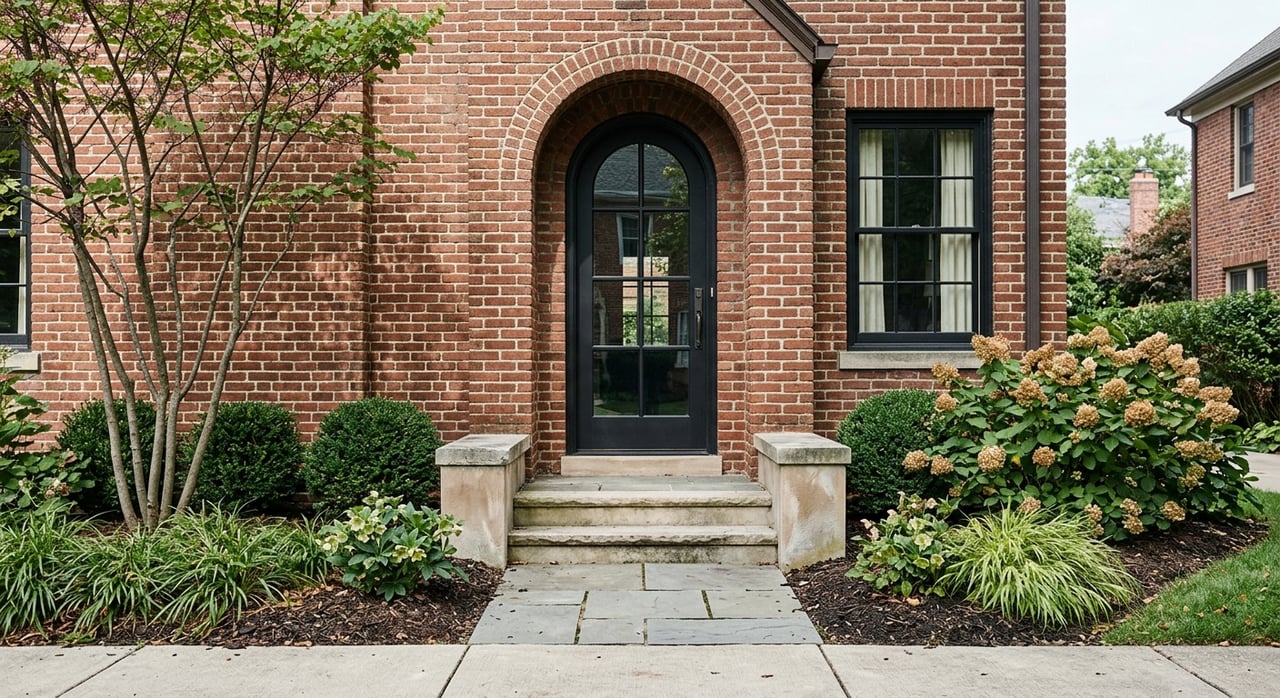
One of Montclair’s biggest draws is its housing stock. The township is known for older homes and buildings from the late 1800s through the 1930s, with architectural styles that include Colonial Revival, Queen Anne, Tudor Revival, Italianate, Craftsman, and Classical Revival. If you love original details, mature streetscapes, and homes with personality, Montclair offers something many towns do not.
That character comes with responsibility. Older homes can require more upkeep, and buyers planning exterior changes in local historic districts may need a Certificate of Appropriateness. If you are excited by renovation and restoration, this may feel like part of the appeal. If you want newer construction and very low maintenance, you may want to weigh that tradeoff carefully.
Montclair offers more than housing. The township highlights a downtown business district known for shopping, dining, and entertainment, along with restaurants, movie theaters, nightlife, boutiques, art galleries, live theaters, and the Montclair Art Museum. The town also notes about 175 acres of parks and recreational spaces.
For many buyers, that mix is a major part of the value. You are not just buying square footage. You are also buying access to a lively town atmosphere with cultural amenities and outdoor spaces built into everyday life.
Montclair is often appealing to buyers who want transit options. The township says the town has seven NJ Transit train stations, and rail service connects toward New York City, Hoboken, Newark Broad Street, Secaucus, and other New Jersey towns. Drivers also have access to Route 3 and Garden State Parkway Exit 148.
That said, daily convenience depends on your schedule. A recent township survey noted that weekend trains between Bay Street and New York Penn Station currently run about every two hours, and there is no weekend or off-peak weekday bus service to NYC from Montclair. If commuting is a big factor for you, it is smart to match your home search with the train or driving pattern you expect to use most.
In Montclair, monthly carrying cost matters just as much as the purchase price. Property taxes can be a major part of your total housing payment, and condo or co-op buyers may also need to account for association or maintenance fees. This is where buyers sometimes underestimate the real monthly number.
Montclair’s 2025 adopted budget shows a total all-levies tax rate of 3.523 per $100 of assessed value. By simple arithmetic, that works out to about $17,600 per year on a $500,000 assessed value, about $26,400 on $750,000, and about $35,200 on $1 million. Actual tax bills depend on assessed value rather than market value, but these examples show why taxes deserve close attention early in your planning.
The township says property taxes are due four times a year: February 1, May 1, August 1, and November 1. There is a 10-day grace period, and late interest applies after that. Even if your lender escrows taxes, it helps to understand how the local system works because it affects your total cost of ownership.
For many buyers, Montclair is not a market where you want to focus only on the listing price. A home that looks comfortable on paper can feel very different once taxes, insurance, and any HOA or maintenance charges are included.
Montclair can work for first-time buyers, especially if you are open to a condo, co-op, or townhouse. The wider range of property types creates some entry points that may be more approachable than single-family homes. Still, because taxes and monthly fees can be substantial, the budget has to work beyond the down payment.
If your budget is closer to the low-$500,000s and your top priority is keeping the monthly payment lower, nearby towns may offer easier entry points. Research data shows lower median listing prices in places like Bloomfield, Clifton, West Orange, and Nutley than in Montclair. That does not make Montclair a no, but it may make it a more selective yes.
Montclair is often a strong fit for move-up buyers who want more space, architectural character, a lively downtown, and train access. If you value lifestyle and home personality as much as square footage, Montclair tends to stand out. This is especially true if you are comfortable with the higher carrying costs that often come with older and more expensive homes.
For this group, the town’s identity can be a major advantage. You may find the blend of classic homes, cultural activity, and regional access worth the premium when compared with other North Jersey options.
Montclair can also appeal to downsizers who want less yard work and more convenience. Condos and co-ops may offer a way to stay active, enjoy downtown amenities, and reduce day-to-day maintenance. If your goal is to simplify without giving up access to restaurants, parks, and arts spaces, Montclair may check a lot of boxes.
The biggest caution is cost. Downsizing in Montclair does not always mean lowering your monthly housing expense by much, especially when taxes and building fees are part of the equation.
Montclair is clearly on the pricier side of Essex County and nearby North Jersey towns. Current market data shows median listing prices around $550,000 in Bloomfield, $579,000 in Clifton, $649,000 in West Orange, $677,000 in Nutley, $849,000 in Glen Ridge, and $1.11 million in South Orange, compared with roughly $999,000 in Montclair.
That comparison matters because it helps clarify your tradeoffs. If you want Montclair’s downtown energy, transit identity, and historic housing stock, the premium may make sense. If your goal is to maximize space or reduce monthly cost, nearby towns may deserve a closer look.
Before you decide if Montclair is right for you, ask yourself a few honest questions:
If you answer yes to most of these, Montclair may be a strong match. If your bigger priorities are maximizing house size, minimizing upkeep, or keeping your monthly payment as low as possible, you may want to compare Montclair with nearby alternatives.
Montclair is most likely right for you if you want a transit-oriented, amenity-rich town with architectural character and you have the budget to support a higher monthly carrying cost. It offers a mix of housing types, a well-known downtown, and a lifestyle that many buyers find hard to duplicate elsewhere in North Jersey.
At the same time, it is not the best fit for every budget or every buyer goal. The smartest move is to weigh not just the asking price, but the full picture: taxes, upkeep, commute patterns, and the kind of daily life you want your next home to support.
If you want calm, personalized guidance as you compare Montclair with other North Jersey towns, Silvia Lituma can help you explore your options with clarity and confidence.
Stay up to date on the latest real estate trends.
Partner with Silvia Lituma for buying, selling, or exploring new construction in Clifton, NJ. Get local support designed around your goals and next move. Whether you are searching, selling, or planning ahead, Silvia Lituma can help. Connect for guidance on Clifton homes, new construction, and future opportunities.