What It’s Like Living In Clifton NJ Today
June 25, 2026
June 25, 2026
If you are thinking about a move to North Jersey, Clifton often comes up for one simple reason: it gives you a lot of everyday convenience in one place. You may be looking for an easier commute, more housing options, or a city that feels established instead of brand new. This guide will help you understand what living in Clifton, NJ is like today, from its neighborhoods and housing to parks, shopping, and traffic realities. Let’s dive in.
Clifton is not a quiet, low-density suburb built around one small downtown. It is a dense, established city with an estimated 91,127 residents in 2025 spread across 11.28 square miles. That size and layout shape daily life in a very real way.
You can expect a mix of residential streets, commercial corridors, and commuter routes woven together. Clifton has 33,614 households, a median household income of $98,237, a median owner-occupied home value of $461,900, and a median gross rent of $1,711. The average travel time to work is 28.3 minutes, which reflects how connected the city is to the larger regional job market.
One of the most important things to know about Clifton is that it works more like a collection of neighborhoods than a town centered around one dominant core. Local planning materials describe 16 contiguous neighborhoods across the city. That means your day-to-day experience can vary depending on where you live.
Areas such as Botany, East Clifton, Lakeview, Dutch Hill, Athenia, Rosemawr, Delawanna, Allwood, Clifton Center, Middle Village, Greglawn, Richfield, Montclair Heights, Maple Valley, and Albion all fit into the city’s larger patchwork. Some sections near major roads and transit stops may feel more commuter-oriented. Other parts, especially on the western side and near park areas, can feel more residential.
That mix is part of Clifton’s appeal. You are not choosing between a fully urban setting and a fully suburban one. Instead, you get a place where neighborhood blocks, retail streets, and main roads all play a role in how the city feels.
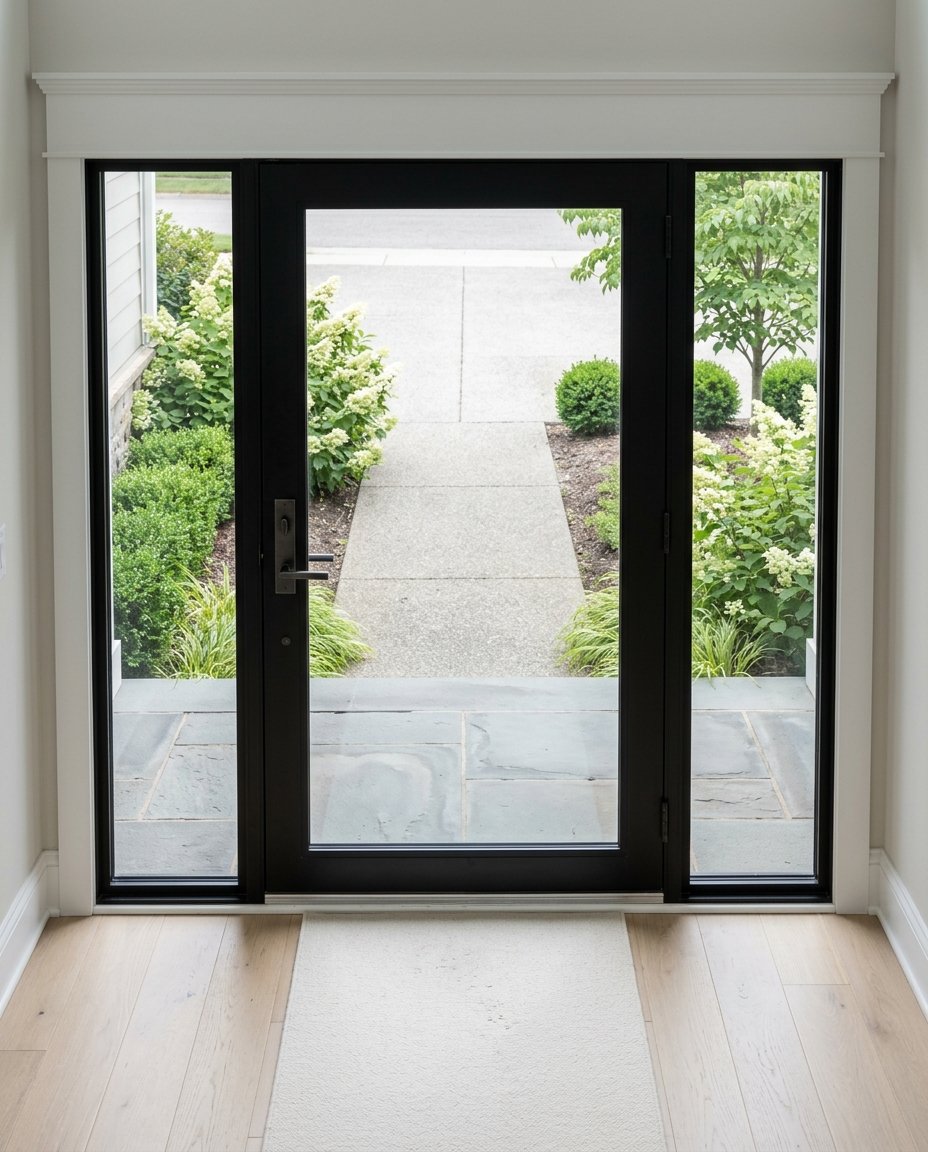
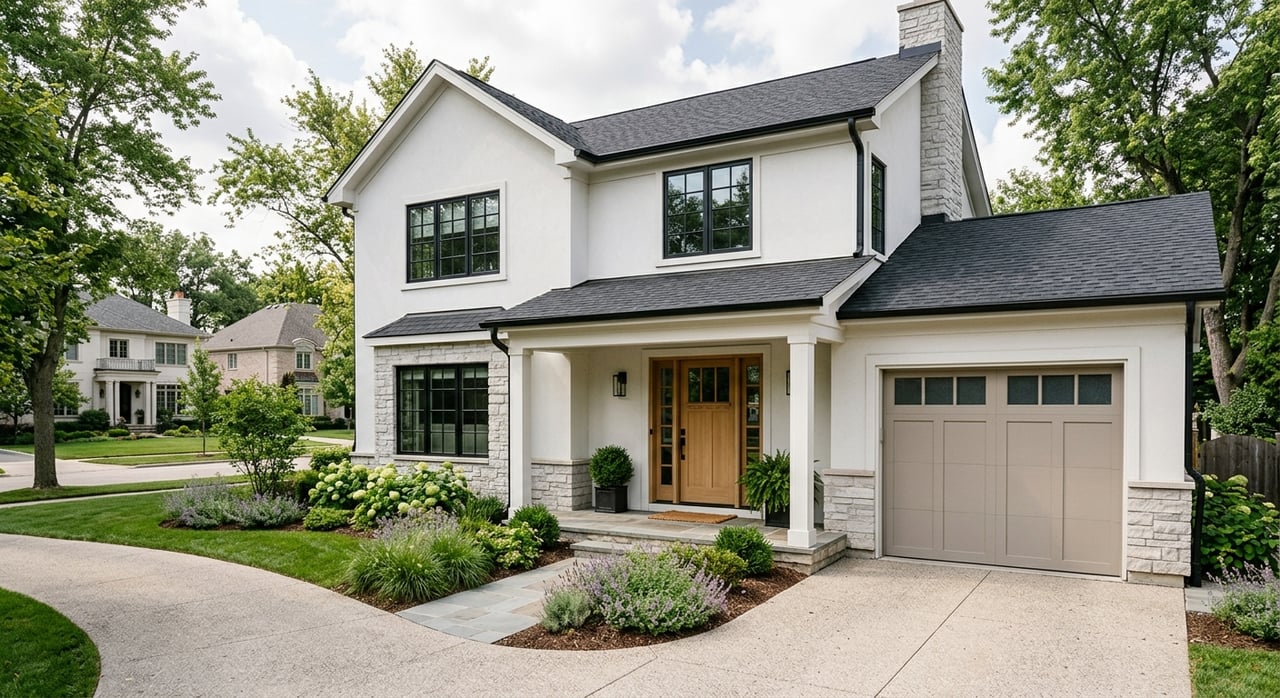
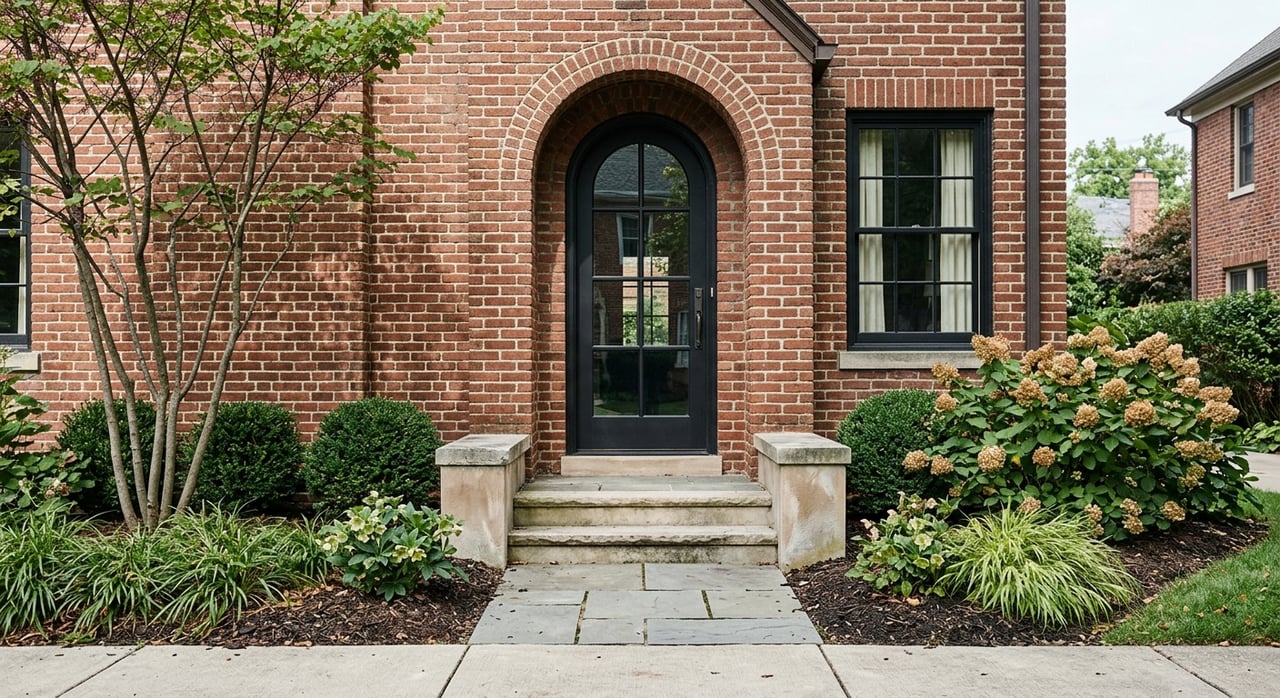
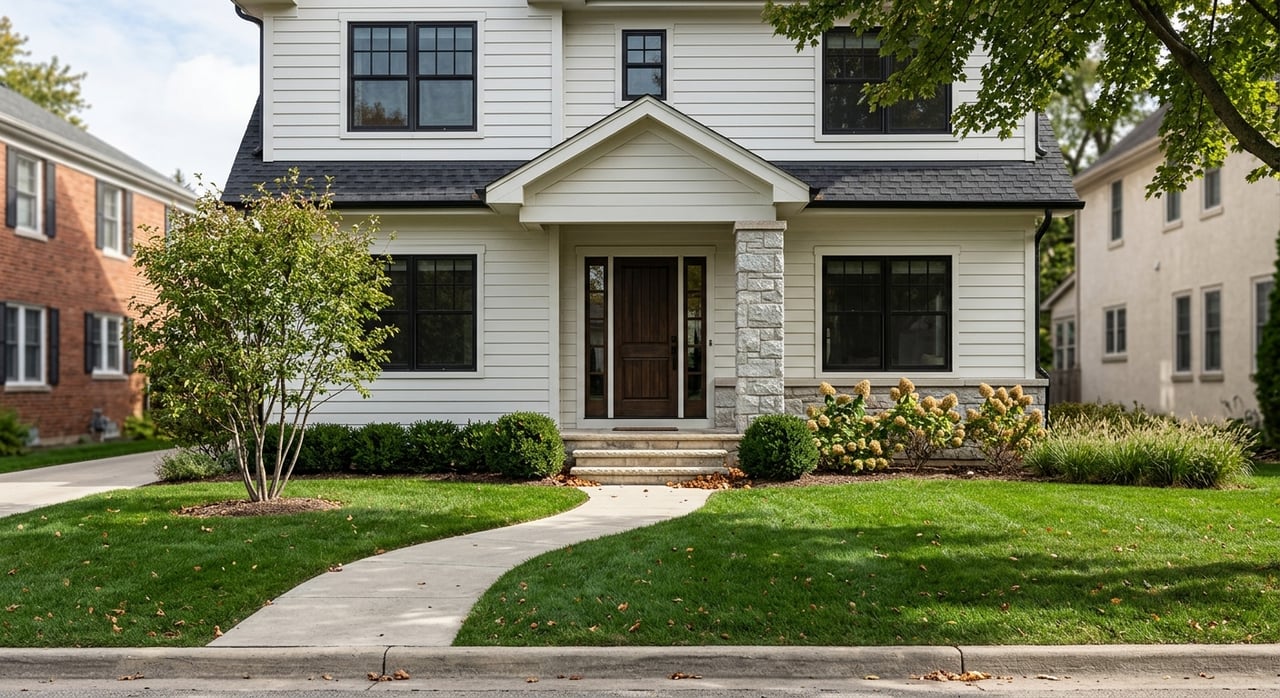
If you are comparing Clifton to newer communities, one major difference is the housing stock. Clifton’s housing is varied, but much of it is established rather than recently built. According to the city’s 2025-2029 Consolidated Plan, Clifton had an estimated 31,375 housing units, with 45% single-family detached homes and 32% two- to four-unit buildings.
Most of that housing stock was built before 1980. For you as a buyer, seller, or investor, that can mean more architectural variety and more choices in layout and property type. It can also mean you will want to pay close attention to condition, updates, and maintenance when evaluating homes.
This housing mix is one reason Clifton attracts different kinds of buyers. You may find single-family homes, smaller multifamily properties, and other established residential options that fit a range of goals. For buyers who want flexibility and a more lived-in neighborhood feel, Clifton can offer a lot to consider.
Clifton stands out for convenience. Main Avenue is one of the city’s key everyday corridors, and the city describes it as a critical corridor and a unified, pedestrian-friendly downtown business district. The city has also supported facade programs in Main Avenue and Botany Village, which points to continued attention on local business areas.
In practical terms, that means you have neighborhood-serving commercial areas that are part of daily life, not just highways and strip centers. Botany Village also has neighborhood-level city services through the Botany Village Satellite Office, with bilingual staff helping connect residents to services.
For larger errands, Route 3 plays a major role. The Route 3 area includes places such as AMC Theatres Clifton Commons 16, Costco Wholesale, Applebee’s, and Chipotle. If you like having shopping, dining, and entertainment close to home, Clifton makes that part of life relatively easy.
Sometimes the biggest quality-of-life factors are the simplest ones. Clifton Public Library serves more than 90,000 residents through two locations: the Main Memorial Library and the Allwood Branch. For many households, that adds a useful layer of community access for reading, studying, and local programming.
City services also feel distributed rather than concentrated in just one place. That matters in a city this size, because convenience is not only about stores and highways. It is also about being able to access basic services in a way that fits your routine.
If outdoor space matters to you, Clifton has more to offer than some buyers expect. The city says it has 39 parks, and its 2025 Open Space and Recreation Plan lists 209 acres of preserved parks and open space on the recreation inventory. That is a meaningful amenity for a dense North Jersey city.
Residents also showed strong support for park investment. In 2023, voters approved a local Open Space Trust Fund that now raises roughly $500,000 per year for parks and open space. The city also reported that 74% of survey respondents ranked park improvements as the first or second most important use of funds.
This tells you something important about Clifton today. Parks are not an afterthought. They are part of how the city is planning for daily life and quality of life.
Clifton’s park system includes a mix of practical recreation features. Across different parks, you can find fields, playgrounds, walking paths, tennis, pickleball, and other activity spaces. That makes it easier to stay local for exercise, sports, and family time.
Nash Park is one of Clifton’s oldest and largest parks, and current improvement work there includes a splash pad. The Clifton Arts Center and Sculpture Park adds another kind of outdoor experience, with a sculpture garden featuring more than 30 contemporary sculptures.
For many people, Clifton’s location is the main reason it stays on the short list. The city offers several ways to get around, which is valuable if you commute into Manhattan or travel throughout North Jersey.
NJ TRANSIT lists both Clifton Station and Delawanna Station on the Main-Bergen County Line. Clifton Station has parking across two lots, while Delawanna offers parking, bike racks, and Wi-Fi. Having more than one rail option gives you flexibility depending on where in the city you live.
Bus service is also a major part of the picture. Allwood Park & Ride sits by Route 3 and the Garden State Parkway and provides express bus service to the Port Authority Bus Terminal in Midtown Manhattan. NJ TRANSIT also shows service connections from Allwood Park & Ride and Clifton Commons Park & Ride to Manhattan and other North Jersey destinations.
For buyers who want options, this is a real strength. You may be able to drive, take rail, or use a park-and-ride bus depending on your schedule and destination.
Convenience usually comes with a price, and in Clifton that price is often traffic. The Route 3 and Route 46 interchange area has long-standing operational and safety problems, including chronic bottlenecks and a high occurrence of accidents, according to NJDOT. The city also continues to issue traffic advisories tied to Route 3 work.
That does not mean Clifton is hard to live in. It means you should go in with realistic expectations. If you are moving here, it helps to understand that access to major roads is a benefit, but congestion and construction can be part of the routine.
Clifton tends to work well for people who value access, variety, and practicality. If you want a city with a broad housing mix, strong commute options, neighborhood business districts, and a meaningful park system, Clifton checks many boxes.
It may be especially appealing if you are looking for:
On the other hand, if your top priority is a very low-density setting or a newer, more uniform housing environment, Clifton may feel busier and more mixed-use than what you want.
Overall, Clifton feels established, practical, and connected. It is a place where neighborhood identity matters, but so do major roads, transit access, and everyday convenience. You get a city with housing variety, active commercial corridors, a strong park system, and real commuter flexibility.
For many buyers and sellers, the key is understanding which part of Clifton best matches your lifestyle and priorities. That is where local context matters. If you are thinking about buying, selling, or simply learning how Clifton compares with nearby North Jersey communities, Silvia Lituma can help you explore your options with calm, personalized guidance.
Stay up to date on the latest real estate trends.
Partner with Silvia Lituma for buying, selling, or exploring new construction in Clifton, NJ. Get local support designed around your goals and next move. Whether you are searching, selling, or planning ahead, Silvia Lituma can help. Connect for guidance on Clifton homes, new construction, and future opportunities.